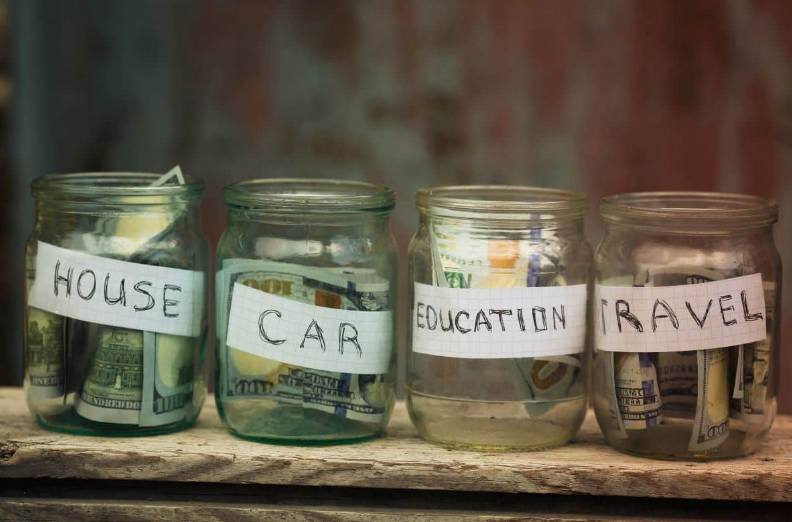
💰 Scenario 7

Saving Money in Australia

Learning English is important. Learning how to manage your money is just as important. In this lesson, you'll discover practical ways Australians save money, create a simple budget, and build healthy financial habits while improving your English.

🎯 Level

Beginner – Intermediate

⏱ Time

60–90 Minutes

💰 Topic

Saving Money & Budgeting

🎥 Lesson

Real Australian Video

🧠 Before Watching

Discuss these questions with your teacher.

1️⃣

Do you usually save money every month?

2️⃣

What do you spend the most money on?

3️⃣

Have you ever made a budget?

4️⃣

Why do people save money?

🎯 Today's Mission

💵

Create a Budget

Learn how to organise your weekly income and expenses.

🏦

Build Savings

Discover practical ways Australians save money every week.

📈

Set Financial Goals

Learn useful vocabulary about saving, spending and budgeting.

💬

Speak Naturally

Practise talking about money confidently in English.

🥩 Workplace Reality

Imagine this...

You've been working at ABC Meat Processing for three months.

You receive your salary every fortnight.

However, by the end of each pay period, almost all of your money is gone.

One day during lunch, your Australian co-worker says,

"I automatically transfer part of my pay into my savings account every payday."

You realise you've never made a budget before.

🤔 Where does your money go every fortnight?

By the end of today's lesson, you'll know how to build a simple budget, reduce unnecessary spending, and start saving money for your future.

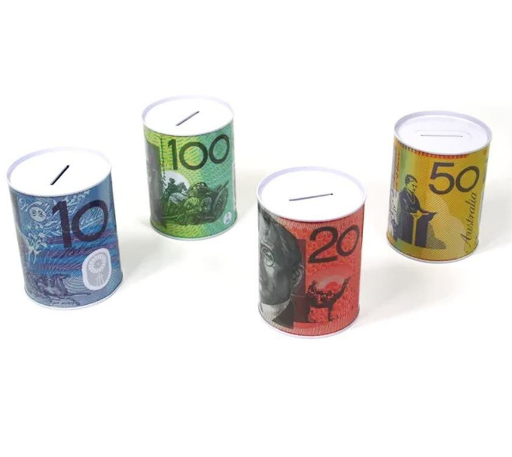
🎥 Watch the Lesson

Watch the video once without stopping. Don't worry if you don't understand every word. Focus on the main ideas about saving money.

🎯 Listen for these ideas

Budget Income Expenses Needs vs Wants Emergency Fund Automatic Savings Interest Financial Goals

📝 My Video Notes

New Word #1

____________________________________
New Word #2

____________________________________
One Saving Tip I Learned

____________________________________

____________________________________
One Question For My Teacher

____________________________________

____________________________________

📚 Saving Money Vocabulary

These are common words Australians use when talking about money, budgeting and saving.

Budget

📋 Budget

/ˈbʌdʒɪt/

A plan showing how you will spend and save your money.

"I make a weekly budget."

monthly budget budget plan manage a budget
Savings

💰 Savings

/ˈseɪvɪŋz/

Money that you keep instead of spending.

"I put money into my savings every payday."

savings account build savings personal savings
Income

💵 Income

/ˈɪnkʌm/

Money you receive from work or other sources.

"My income is paid every fortnight."

weekly income monthly income regular income
Expenses

🧾 Expenses

/ɪkˈspensɪz/

Money you spend on bills and everyday living.

"My biggest expense is rent."

living expenses monthly expenses household expenses
Emergency Fund

🚑 Emergency Fund

/ɪˈmɜːdʒənsi fʌnd/

Money saved for unexpected situations.

"I keep an emergency fund."

build an emergency fund emergency savings
Interest

📈 Interest

/ˈɪntrəst/

Extra money paid by a bank on your savings.

"My savings earn interest."

interest rate earn interest
Needs

🥖 Needs

/niːdz/

Things you must buy to live.

"Food is a need."

basic needs essential needs
Wants

🛍 Wants

/wɒnts/

Things you would like but do not really need.

"Coffee every day is a want."

wants vs needs personal wants
Savings Goal

🎯 Savings Goal

/ˈseɪvɪŋz ɡəʊl/

An amount of money you want to save.

"My savings goal is $5,000."

reach a goal set a goal
Automatic Transfer

🔄 Automatic Transfer

/ˌɔːtəˈmætɪk ˈtrænsfɜː/

Money automatically moved into another account.

"I set up an automatic transfer every payday."

automatic payment automatic transfer
Balance

🏦 Balance

/ˈbæləns/

The amount of money in your bank account.

"My balance is growing."

account balance check balance
Deposit

💳 Deposit

/dɪˈpɒzɪt/

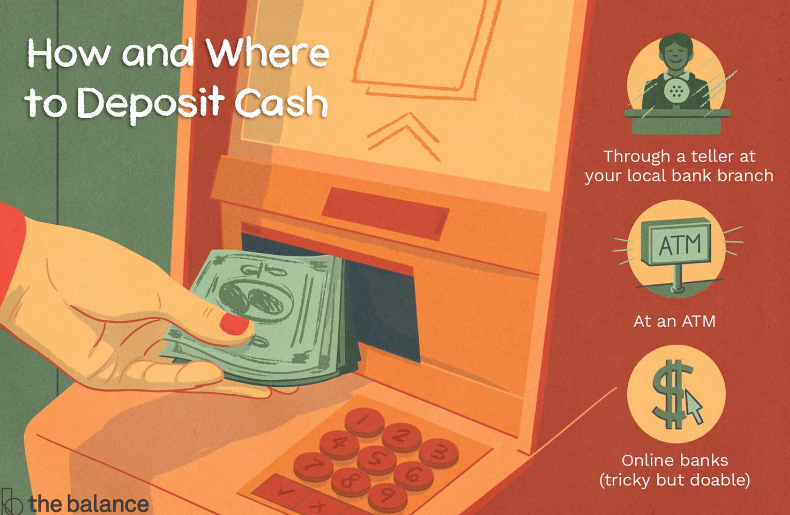
Money paid into a bank account.

"My salary was deposited today."

bank deposit cash deposit direct deposit

👀 While Watching

Watch the video again and answer the questions. Click each question to reveal the suggested answer after you've discussed it.

Question 1: What is a budget?

A budget is a plan that shows how much money you earn, spend and save.

Question 2: Why should people save money?

People save money for emergencies, future goals and unexpected expenses.

Question 3: What is the difference between needs and wants?

Needs are essential things like food and rent. Wants are things you would like but can live without.

Question 4: What is an emergency fund?

An emergency fund is money saved for unexpected situations like illness, losing a job or repairing your car.

Question 5: Name two ways to save money.

Examples include making a budget, spending less, cooking at home, or setting up automatic savings.

Question 6: Write three new words you heard.

Student's own answer.

💰 My First Australian Budget

Congratulations! You have just received your first fortnightly salary in Australia. Before spending your money, successful Australians usually create a budget. Today, you'll use the Australian Government's free Budget Planner.

Scenario

You work at ABC Meat Processing. Your fortnightly take-home pay is A$1,200. You want to make sure you have enough money for rent, food, transport and savings.

🏠

Rent

How much will you spend on accommodation?

🛒

Food

How much will you spend on groceries?

🚆

Transport

Estimate your weekly transport cost.

💰

Savings

Can you save 10–20% of your salary?

🎯 Budget Challenge

Open the Australian Government Budget Planner and complete your own budget.

Open MoneySmart Budget Planner →

  • How much money do you earn?
  • How much do you spend?
  • How much can you save every fortnight?
  • Tell your teacher your final savings amount.

📊 Sample Weekly Budget

Nguyen has just started working in a meat processing factory. This is how she plans her weekly budget.

Weekly Budget

Example Only

Weekly Income $1,050
🏠 Rent $280
🥦 Food $140
⛽ Transport $70
📱 Phone $30
🎬 Entertainment $80
💰 Savings $250
Money Remaining $200

🔍 Understand the Budget

Click each question after discussing your answer.

How much money does Nguyen earn each week?

$1,050

What is her biggest expense?

Rent ($280).

How much money does she save?

$250 each week.

How much money is left after budgeting?

$200.

Why is saving money important?

To prepare for emergencies and future goals.

What expense could be reduced?

Entertainment is one possible answer.

💰 Three Ways to Save Money in Australia

After receiving your salary, there are several ways Australians save money. Let's explore three of the most common methods.

🔁

1. Automatic Transfer

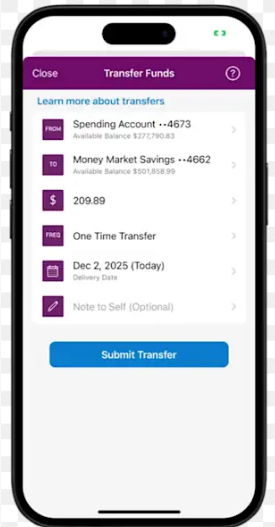
The bank automatically transfers a fixed amount of money from your everyday account into your savings account every payday.

📖 Example

Your salary is A$1,200 every fortnight. You decide to save 20%. The bank automatically transfers A$240 into your savings account every payday.

💡 Why is it useful?
  • Builds a good saving habit.
  • You don't forget to save.
  • Easy to manage your money.
  • This method is often called "Pay Yourself First."
🤖

2. Smart Savings

Some banking apps can automatically move small amounts of spare money into your savings account.

📖 Example

After paying your rent and bills, your bank notices you have extra money. The app automatically moves A$50 into your savings account.

💡 Why is it useful?
  • No need to calculate every transfer.
  • Small amounts add up over time.
  • Helps people who forget to save.
🏦

3. High Interest Savings Account

Keep your money in a savings account that pays interest. The longer your money stays in the account, the more interest you can earn.

📖 Example

Commonwealth Bank's GoalSaver pays interest every month if you meet the account conditions.

💡 Why is it useful?
  • Your savings continue to grow.
  • You earn interest from the bank.
  • Great for long-term savings goals.

🤔 Which Saving Method Would You Choose?

Imagine you have just received your first salary in Australia. Discuss these questions with your teacher.

Which saving method would you choose first? Why?

Would you save 10%, 15% or 20% of your salary? Explain your answer.

Would you prefer automatic saving or saving manually? Why?

What are you saving money for?

🎥 Watch the Video

Click the button below to watch the video on YouTube. After watching, return to this lesson and answer the questions.

▶ Watch on YouTube

🔍 Real-Life Research Challenge

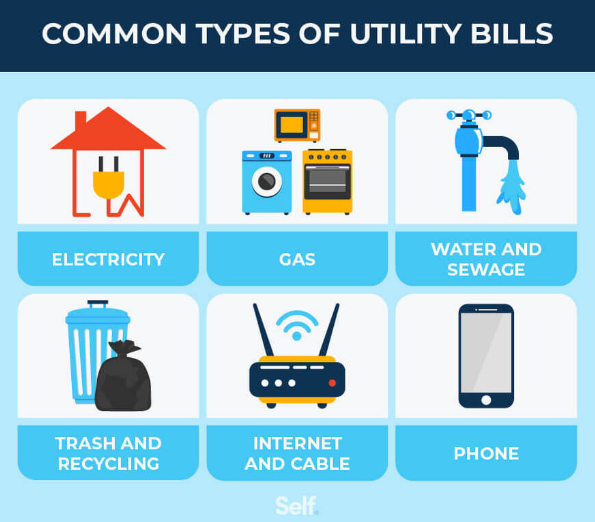
Imagine you have just moved to Australia. You need to organise your own household bills. Research the following using official Australian websites. Do not reveal the answers until you have searched online.

⚡ Electricity

Compare electricity plans available in Wagga Wagga, NSW 2650. Which electricity company would you choose? Explain why.

💡 Need a Hint?

Start by visiting the Australian Government comparison website:

Energy Made Easy (Australian Government)

Enter the postcode 2650 to compare electricity plans available in Wagga Wagga.

You can also compare providers such as:

  • Origin Energy
  • AGL
  • EnergyAustralia
  • Red Energy

Think about:

  • ⚡ Daily supply charge
  • 💰 Electricity usage rate (c/kWh)
  • 📅 Contract length
  • 🎁 Discounts or sign-up offers

📱 Mobile Phone

Compare three Australian mobile phone plans. Which provider offers the best value for a new worker in Australia? Explain your choice.

💡 Need a Hint?

Start by comparing plans on:

Canstar Mobile Phone Providers Comparison

Then compare providers such as:

  • Boost Mobile
  • ALDI Mobile
  • Amaysim
  • Vodafone
Think about:
  • 📶 Monthly price
  • 📱 Data included (GB)
  • 📞 Unlimited calls and texts
  • 🌏 International calls (if available)

🌐 Internet

Which internet provider would you choose? Explain why.

💡 Need a Hint?

Compare: TPG Telstra Optus Aussie Broadband

🏦 Savings Account

Compare savings accounts from different Australian banks. Which bank offers the best savings account for a new worker? Explain your choice.

💡 Need a Hint?

Start by comparing savings accounts on:

Canstar – Compare Australian Savings Accounts

Then look at the savings accounts offered by:

  • Commonwealth Bank (NetBank Saver)
  • NAB (Reward Saver)
  • ANZ (ANZ Plus Growth Saver)
  • Westpac (Life Savings Account)

Compare the following:

  • 💰 Interest rate (% p.a.)
  • 📈 Bonus interest conditions
  • 💳 Monthly fees
  • 🏦 Minimum deposit requirements
  • 📱 Mobile banking features

🎯 Your Challenge

  • Which bank has the highest interest rate?
  • Which account has the easiest conditions?
  • Which savings account would you choose?
  • Explain your answer to your teacher.

🇦🇺 How Saving Money Works

💵 Receive Salary
⬇
📋 Make a Budget
⬇
💳 Pay Your Bills
⬇
💰 Save First
⬇
😊 Spend What's Left

Many Australians follow the rule "Pay Yourself First." When they receive their salary, they transfer part of it into a savings account before spending money.

🔍 Australia Research Challenge

Imagine you have just started working in Australia. Your supervisor tells you,

"Saving money is just as important as earning money."

Use Google and official Australian websites to complete these tasks. Try to find the answers yourself before opening them. When you finish, explain your findings to your teacher.

🏦 Task 1 — Find a High Interest Savings Account

Search for a bank in Australia that offers a High Interest Savings Account.

💡 Need a Hint?

Search: High Interest Savings Account Australia

✅ Suggested Answer

Possible banks include:

  • ING
  • Up Bank
  • Macquarie Bank
  • ANZ Plus
  • Westpac
  • CommBank GoalSaver

Interest rates change regularly, so always check the latest information.

💰 Task 2 — What is an Emergency Fund?

Research what an emergency fund is and why Australians build one.

💡 Need a Hint?

Search: MoneySmart emergency fund

✅ Suggested Answer

An emergency fund is money saved for unexpected situations such as illness, losing a job, car repairs or medical bills.

📈 Task 3 — What is Compound Interest?

Find out what compound interest means.

💡 Need a Hint?

Search: Compound interest MoneySmart

✅ Suggested Answer

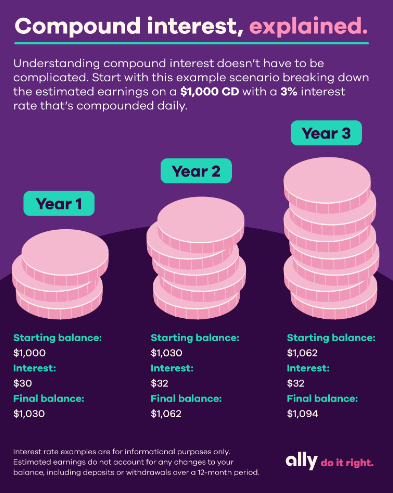
Compound interest means you earn interest on both your original savings and the interest you've already earned.

📱 Task 4 — Find a Budgeting App

Find one budgeting app that Australians use.

💡 Need a Hint?

Search: Australian budgeting apps

✅ Suggested Answer

Examples include:

  • Frollo
  • MoneyBrilliant
  • Up Bank
  • CommBank App

🌏 Task 5 — Find Australia's Money Education Website

Which Australian government website teaches people about saving money?

💡 Need a Hint?

Search: Australian government money education

✅ Suggested Answer

The official website is MoneySmart.gov.au created by ASIC.

🎭 Speaking Roleplays — Say It in English

Before each roleplay, translate the Vietnamese sentences into English. Try by yourself first. Click the Vietnamese sentence only after you have attempted your own translation. Then use these expressions during the roleplay.

🏦 Roleplay 1 — Open a Savings Account

You: Customer

Teacher: Bank Staff

Tôi muốn mở một tài khoản tiết kiệm.

I would like to open a savings account.

Lãi suất của tài khoản này là bao nhiêu?

What interest rate does this account offer?

Tài khoản này có phí hàng tháng không?

Does this account have a monthly fee?

💰 Roleplay 2 — Make a Budget

You: Employee

Teacher: Friend

Tôi kiếm được 1.000 đô la mỗi tuần.

I earn $1,000 each week.

Theo bạn tôi nên tiết kiệm bao nhiêu?

How much do you think I should save?

Bạn có thể giúp tôi lập ngân sách không?

Can you help me make a budget?

🛒 Roleplay 3 — Stop Overspending

You: Customer

Teacher: Financial Coach

Tôi luôn tiêu quá nhiều tiền.

I always spend too much money.

Làm thế nào để tôi tiết kiệm nhiều hơn?

How can I save more money?

Theo bạn tôi nên ngừng mua gì?

What do you think I should stop buying?

🎯 Roleplay 4 — Savings Goal

You: Customer

Teacher: Friend

Tôi đang tiết kiệm tiền để đi du lịch.

I'm saving money for a holiday.

Mục tiêu tiết kiệm của tôi là 5.000 đô la.

My savings goal is $5,000.

Bạn có lời khuyên nào cho tôi không?

Do you have any advice?

🎯 Challenge

  • Do not open the answers immediately.
  • Translate each Vietnamese sentence into English first.
  • Practise speaking naturally with your teacher.
  • Try to answer follow-up questions without reading.

🎓 IELTS Speaking Teacher Guide

Use this section after students finish the lesson. Encourage students to speak naturally rather than memorising answers. Always ask follow-up questions.

🎤 IELTS Speaking Part 1

Teacher Tip: Encourage students to answer naturally using 2–4 sentences before revealing the sample answer.

📝 Answer Template

Teach students to use this simple structure:

  1. Answer directly.
  2. Give one reason.
  3. Give one example.
  4. Finish with a short opinion.

Yes, I do. / No, I don't.

Usually, I __________ because __________.

For example, __________.

Overall, I think __________.

Teacher Tip

Encourage students to answer for 20–30 seconds. Avoid one-word answers.

Question 1

Do you usually save money?

💡 Sample Answer

Yes, I do. I usually save about 20% of my salary every month because I want to build an emergency fund. I think saving money gives me peace of mind and helps me prepare for unexpected expenses.

Question 2

What do you usually spend money on?

💡 Sample Answer

Most of my money goes towards rent, food and transportation. I also spend some money on learning English and online courses because I believe education is a good investment.

Question 3

Do you prefer saving money or spending money?

💡 Sample Answer

I prefer saving money because it helps me achieve my long-term goals. Although I still enjoy buying things I like, I always try to save first before spending.

Question 4

Have you ever bought something you didn't really need?

💡 Sample Answer

Yes, I have. Sometimes I buy snacks or coffee even though I don't really need them. After making a budget, I became more careful with my spending.

🎤 IELTS Speaking Part 2

Cue Card

Describe something you are saving money for.

  • What it is
  • Why you are saving
  • How much money you need
  • How you plan to reach your goal

📝 Cue Card Speaking Template

Students can organise their answer into five easy steps.

I'd like to talk about __________.

The reason I'm saving for it is __________.

It costs approximately __________.

To reach my goal, I __________ every week/month.

I believe I'll achieve it because __________.

Teacher Tip

  • Encourage linking words.
  • Use at least one past tense.
  • Use future plans.
  • Aim for 90–120 seconds.
💡 Sample Band 6–7 Answer

I'd like to talk about buying a house in the future.
The reason I'm saving for it is because I want a place to call my own.
It costs approximately $500,000.
To reach my goal, I save 20% of my salary every payday.
I believe I'll achieve it because I'm disciplined and have a clear saving plan.

🎤 IELTS Speaking Part 3

📝 Discussion Template

Students should support every opinion with a reason and an Australian example.

In my opinion, __________.

For migrant workers in Australia, __________.

One reason is __________.

For example, someone working in a meat processing factory may __________.

Overall, I believe __________.

Teacher Tip

  • Encourage opinions.
  • Ask "Why?" after every answer.
  • Relate answers to life in Australia.
  • Encourage examples from work and daily life.

Question 1

Why do some people find it difficult to save money?

💡 Sample Answer

In my opinion, many people spend money without planning. Some people also buy things they want instead of things they actually need. Creating a budget can help people develop better spending habits.

Question 2

Should schools teach money management?

💡 Sample Answer

Yes, I think they should. Learning how to budget, save money and avoid debt is an important life skill. If students learn these skills early, they'll make better financial decisions as adults.

Question 3

Why do banks encourage customers to save money?

💡 Sample Answer

Banks encourage customers to save because they use deposits to support their business. At the same time, customers benefit by earning interest and building financial security.

Question 4

Do you think young people save enough money today?

💡 Sample Answer

Some young people do, but many spend too much on shopping, entertainment and online subscriptions. I believe learning how to budget can help them develop better saving habits.

⚠ Common IELTS Errors

Student Says Better English
I very like save money. I really enjoy saving money.
I save because emergency. I save money for emergencies.
I want buy house. I want to buy a house.
Money very important. Money is very important.
I no have budget. I don't have a budget.

📋 IELTS Teacher Checklist

Criteria Excellent Good Needs Work
Fluency ☐ ☐ ☐
Grammar ☐ ☐ ☐
Vocabulary ☐ ☐ ☐
Pronunciation ☐ ☐ ☐
Confidence ☐ ☐ ☐

Teacher Feedback

Strengths: ____________________________________________________

Areas to Improve: ____________________________________________________

Homework for Next Lesson: ____________________________________________________

🏠 Homework

  1. Watch the YouTube lesson again.
  2. Write 10 new vocabulary words.
  3. Create your own weekly budget.
  4. Write five ways you can save money in Australia.
  5. Research one Australian savings account and tell your teacher why you chose it.

⭐ Reflection

😊

The most useful thing I learned today was...

💰

One spending habit I want to change is...

🎯

My savings goal is...

🚀

This week I will save money by...

🎉 Lesson Complete!

Excellent work! You can now:

← Back to Scenarios Teacher Page →