Day 4: Scam Safety
Learn how to recognise scam tactics, ask safer questions, and protect your banking information.
Study Before the Lesson
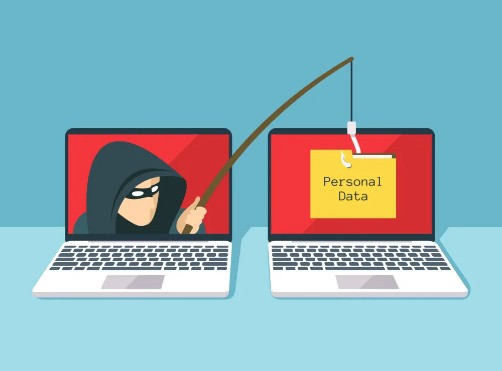
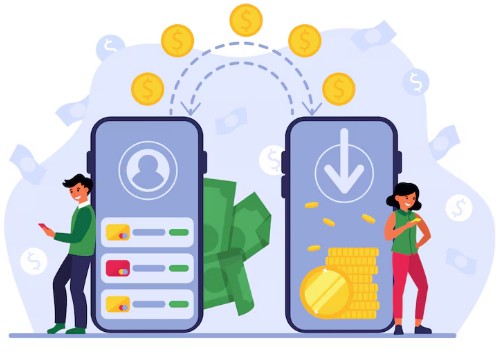
Open DuolingoDuolingo Phonemetic Chart to practice pronunciation. Preview these words before roleplay. Look at the image → read the pronunciation → guess the meaning.
Scenario 4A — Fake Bank Text
Your Mission
You received a message that appears to come from your bank. Gather information before deciding what to do.
Your Investigation
Safe Outcome
☐ Asked questions☐ Verified independently
☐ Protected information
☐ Explained decision
Scenario 4B — Fake Safe Account Call
Your Mission
Someone claims to work for your bank and tells you to move money. Decide whether the request is trustworthy.
Your Investigation
Safe Outcome
☐ Collected information☐ Avoided transfer
☐ Verified independently
Scenario 4C — Unknown Card Payment
You notice a payment you do not recognise.
freeze • transaction • merchant • refund
Scenario 4D — PayID Request
A seller wants payment before delivery.
PayID • proof • transfer • marketplace
After the Roleplay — IELTS Speaking Practice
Part 1 — Introduction and Interview
(4–5 mins)
Answer template
Answer directly → explain → add an example.
Yes, I have. / No, not really. Usually, I try to ___ because ___. For example, when I received ___, I decided to ___. Overall, I think ___ because ___.
-
Have you ever received a suspicious message or phone call?
Yes, I have. I once received a message that looked like it was from my bank, but it seemed unusual. I did not click the link and checked the official website instead.
-
Do you think people should be careful with online banking?
Yes, definitely. Online banking is convenient, but it can also be risky if people share personal information too easily.
-
How do you protect your personal information?
I usually keep my passwords private and avoid clicking unknown links. I also prefer to verify information through official contacts.
Part 2 — Cue Card
(1 min preparation · 1–2 mins speaking)
Describe a time when you had to be careful with your money or personal information.
- what happened
- why you were worried
- what you did
- and explain how it ended
Answer template
I'd like to talk about a time when ___. This happened when ___. I felt worried because ___. To deal with the situation, I first ___. After that, I ___. In the end, ___. Looking back, I learned ___.
Sample answer
I'd like to talk about a time when I received a suspicious message that seemed to come from my bank. I felt worried because the message asked me to click a link and enter my details. I did not follow the instructions. Instead, I called the official number and checked the situation with the bank. In the end, I confirmed that it was a scam, and I felt relieved that I had acted carefully.
Part 3 — Discussion
(4–5 mins)
Answer template
State opinion → explain → compare → example.
In my opinion, ___. One reason is ___. For example, ___. However, ___. Overall, ___.
-
Why do some people fall for scams?
Some people fall for scams because they feel rushed, worried, or excited by an offer. Scammers often use emotional language to make people act quickly without thinking.
-
Should banks do more to educate customers about scam safety?
Yes, I think they should. Customers often need clear advice and simple warnings, especially when scams become more advanced.
-
Is online security more important than convenience?
In my opinion, security is more important. Although convenient services are helpful, protecting personal information is essential.